
How to Be a Confident Leader (Not a Know-It-All Boss)

Confident leadership is perceived by who you are, not just by what you do. And who you are comes down to the habits you choose to cultivate. Build the right ones and the people around you feel it. Build the wrong ones and they judge your leadership by your behavior, no matter what you say.
A true leader has the confidence to stand alone, the courage to make hard decisions, and the compassion to listen to the needs of others. None of that is about a title. You can be the boss on the org chart and still not be the leader in the room.
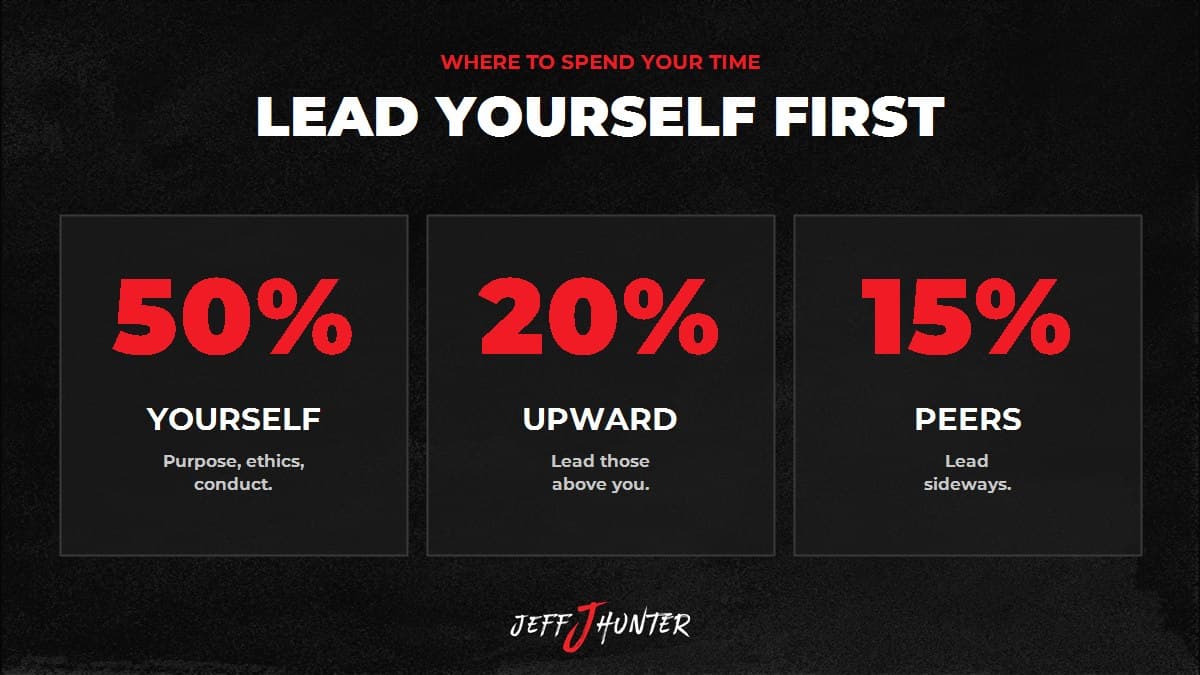
Lead Yourself First
A lot of people think controlling or managing others is what makes a great leader. It is the opposite. When you set out to lead, you first invest about half your effort in leading yourself - your purpose, ethics, principles, motivation, and conduct. Only then does it make sense to spend roughly 20% leading those with authority over you, and 15% leading your peers. Effective leadership is not long speeches or being popular. It is defined by the results you achieve, not the attributes you claim.
Leader or Boss?
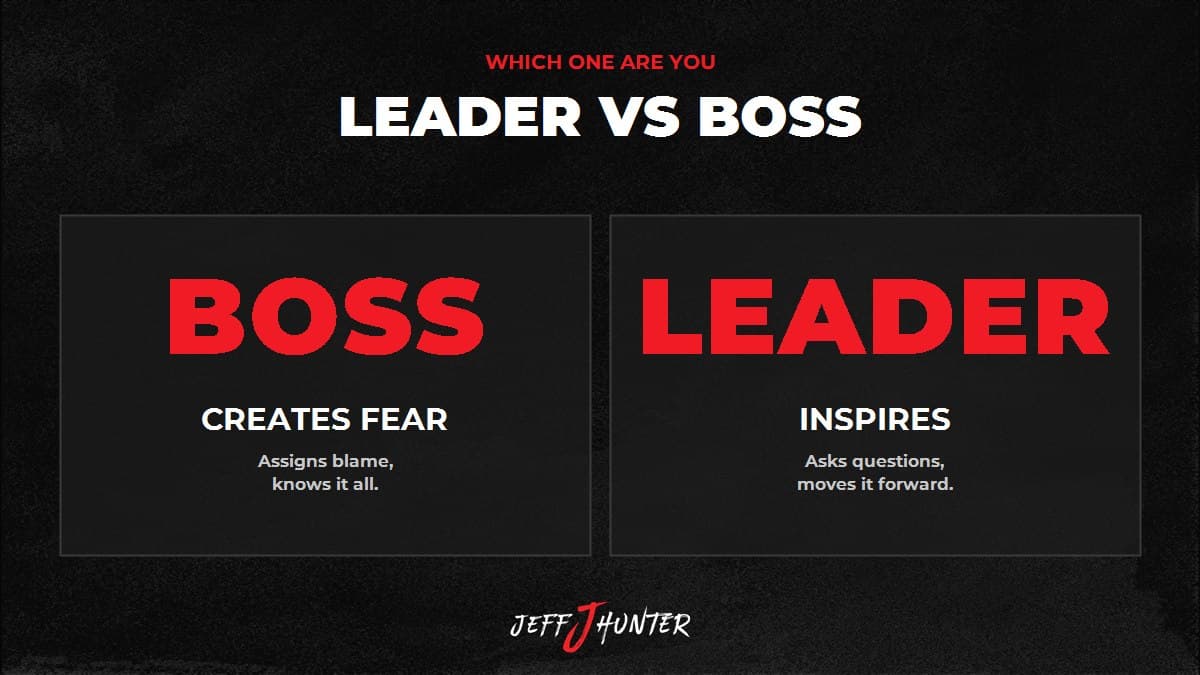
In any working environment, a boss usually creates fear, assigns blame, acts like they know it all, and makes work feel like pure drudgery. Whether you run an office or a fully virtual team, do not aim to be the boss. Aim to be the leader. As the leader, you are expected to:
- Inspire others with your confidence.
- Ask the questions that surface the answers and move things forward.
- Keep the work progressive and genuinely interesting.
The group effort matters deeply to a real leader, because they know the help of others is how you achieve the greatest good for everyone.
Stay Confident in Hard Situations
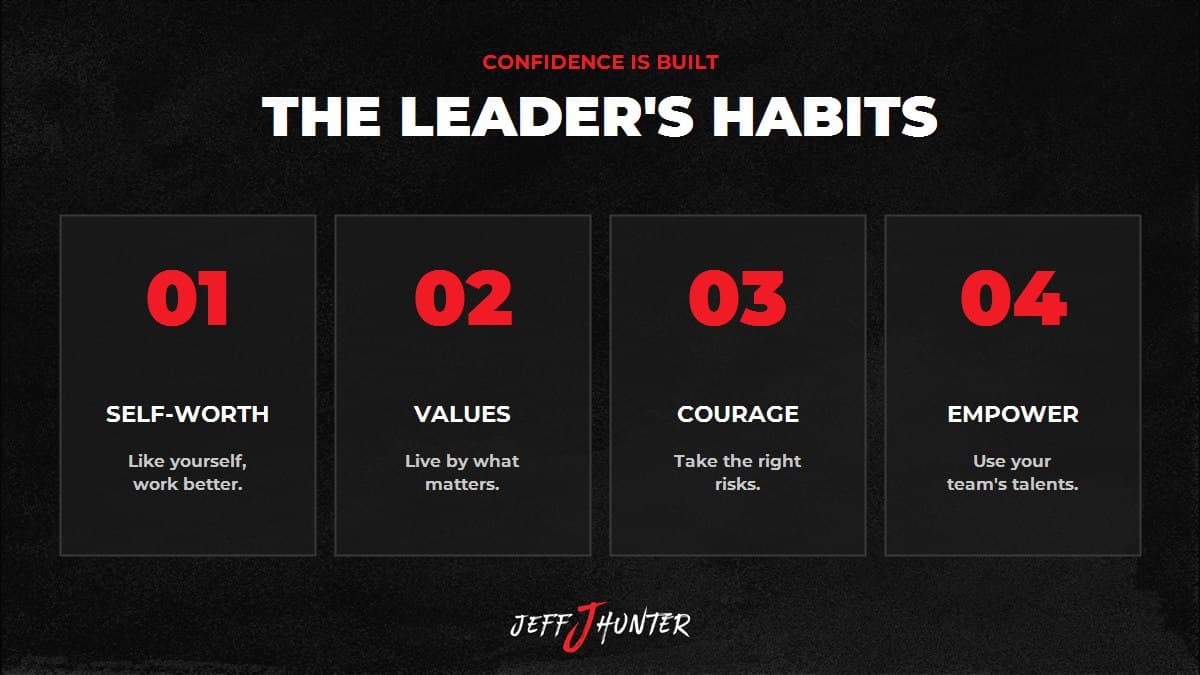
Uncomfortable, defensive, uncertain situations do not have to be difficult. Approached with the right attitude, they become manageable - but that requires real self-confidence, which is just a reflection of how well you think of your own talents and abilities. The more you genuinely like yourself, the more confident you feel, and the more efficiently you work. Others see it too, and they want to work alongside a confident leader.
Sync that with your innermost values. Get clear on what is important and honor it visibly. There is a direct link between feelings and actions: you behave according to how you feel, and how you choose to feel shapes how you behave. Simple example - if you treat your own time as valuable, you start to feel like a more valuable person, and you act like one.
Lead Courageously
You maintain confidence by practicing courageous leadership. Every meaningful action carries uncertain outcomes. You take a small risk walking to work; a larger one starting a business or investing real money. Any step into the unknown is a risk. To lead, you have to be confident about the risks you choose in pursuit of the right goals - and you have to weigh them, not avoid them.
Then value the initiative of your people. When someone underperforms, it is often not a ceiling on their potential - it is a sign their talents are pointed at the wrong work. Move them toward where they can thrive. That sense of accomplishment breeds contentment and confidence, and the work stops feeling like drudgery. It is the same lesson I learned hiring the assistant who failed two interviews and now runs my whole team: put drive in the right lane and it compounds.
Leadership is not management, and it is not control. It is lifting a person's vision to higher sights and raising their performance to a higher standard - starting with your own.
Cultivate the habits, take the right risks, and put your people where their talents thrive. That is how you lead with confidence instead of bossing with fear - and it is the human skill that makes the whole 90/10 system work, because a self-running team needs a leader, not a manager. The framework behind that is the 90/10 Rule.